Anti-pressure wool · plasters · spray · sheep’s wool

Anti-pressure wool vs. plasters and spray

There are several aids against blisters: alpaca anti-pressure wool, blister plasters, anti-blister spray and sheep’s wool. They do not all work the same way. Below you see, per option, how it works so you can make a considered choice.

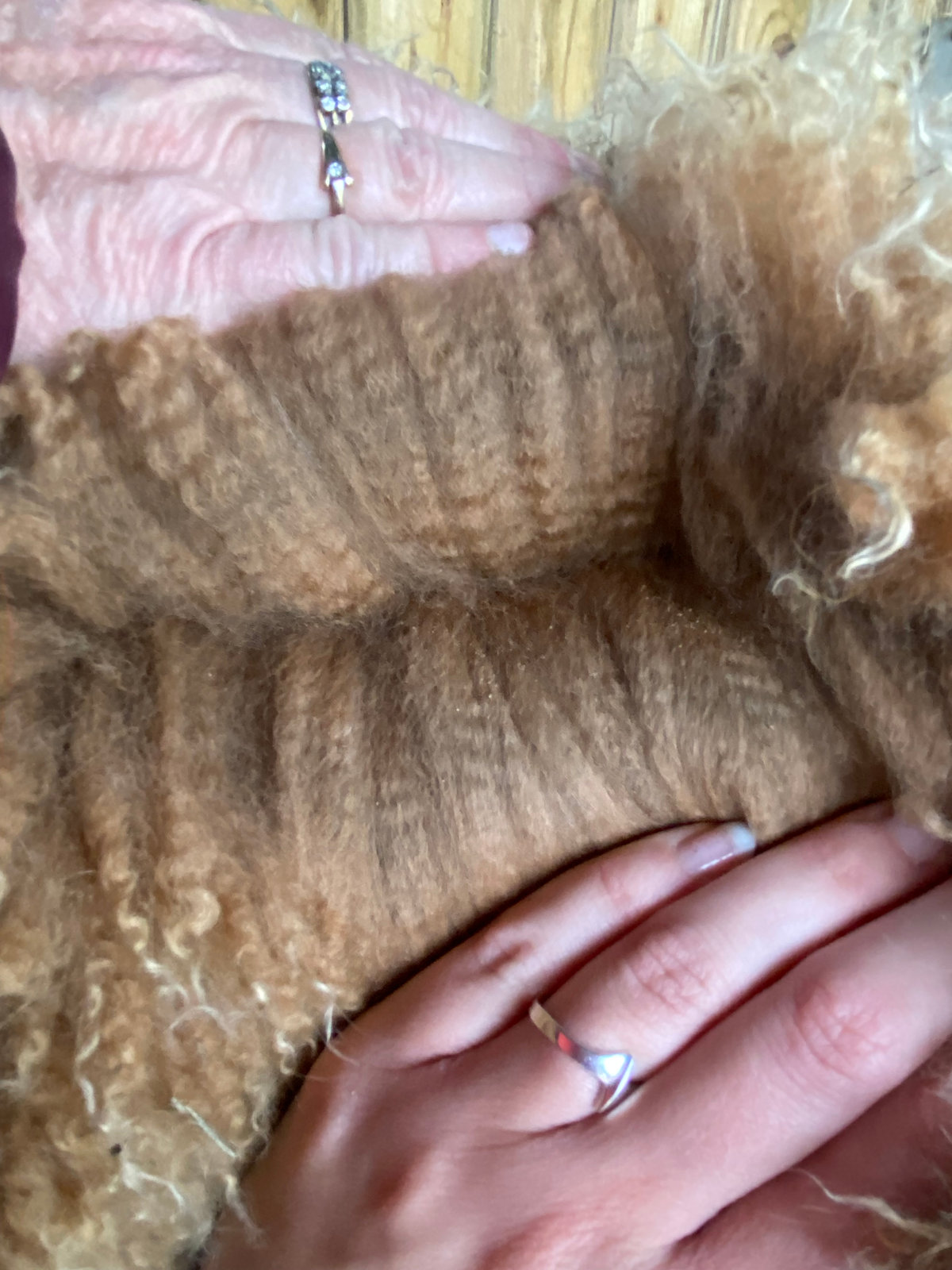
Close-up of soft, lanolin-free alpaca wool as anti-pressure wool
Lanolin-free, used dry
Preventive, barely noticeable
From our own alpacas in Malden
The options side by side

Alpaca wool, plasters, spray and sheep’s wool

Alpaca wool (anti-pressure wool)

How it works: A tuft between skin and sock absorbs friction and pressure.

Strength: Soft, light, lanolin-free and water-repellent; used dry, with no sticking; mainly preventive.

Watch out: A natural product for comfort, not a medicine; place it on the right spot before you set off.

Blister plaster

How it works: A protective cushion over an existing or starting blister.

Strength: Protects a spot that already hurts or is open and keeps it clean.

Watch out: Can come loose with sweat or friction; aimed at recovery rather than prevention over a large area.

Heel spray / anti-blister spray

How it works: A thin layer on the skin that temporarily reduces friction.

Strength: Quick to apply and invisible under your sock.

Watch out: Wears off while you walk and needs reapplying; contains liquid or propellant.

Sheep’s wool

How it works: Like alpaca wool, a tuft of natural wool against friction.

Strength: Natural and also usable preventively.

Watch out: Often contains lanolin (wool grease) and is coarser; less suitable with a wool-grease allergy.

Why walkers often choose alpaca wool

Alpaca wool combines the benefits of a natural, preventive approach with fine wearing comfort. The fibres are lanolin-free and many times softer than sheep’s wool, you use the wool dry with nothing to stick on, and you hardly feel the tuft in your sock. Unlike a spray, the wool does not wear off as long as it stays in place, and unlike a plaster, you apply it before a blister forms.

Many walkers deliberately combine the two: alpaca wool as prevention on known weak spots, and a blister plaster in the first-aid kit in case something does develop along the way. That way you get the best of both.

Which size do I need?

The wool comes in bags of 10, 20 and 40 grams. Which size suits you is explained in the buying guide on which alpaca wool you need. How to apply the wool is covered on alpaca wool against blisters.

This information is about comfort and reducing friction, not medical advice. With an open blister, a wound or persistent complaints: consult a doctor or podiatrist.
Frequently asked questions

Questions about comparing anti-pressure wool

Which is better against blisters: wool or a plaster?

They do different things. A blister plaster protects a spot that already hurts or is already open, while you mainly use alpaca wool preventively to reduce friction before a blister forms. Many walkers combine both: wool as prevention, a plaster if something develops anyway.

Is alpaca wool an alternative to heel spray?

Heel spray or anti-blister spray forms a thin layer on the skin that wears off over time. Alpaca wool works mechanically: a tuft between skin and sock absorbs the friction as long as it stays in place. The wool is used dry and contains no liquid or propellant.

What is the difference between alpaca wool and sheep’s wool?

Much anti-pressure wool at the chemist is sheep’s wool. Sheep’s wool contains lanolin (wool grease); alpaca wool is naturally free of it and is many times finer and softer. That also makes alpaca wool suitable for people with a wool-grease allergy.

Why would I choose alpaca wool?

Alpaca wool is soft, light, water-repellent and lanolin-free, you use it dry with no sticking, and ours comes directly from our own alpacas in Malden. So you know exactly what you put in your sock.

Choose soft, lanolin-free anti-pressure wool

Order alpaca wool in the alpaca wool shop. Pay online straight away with iDEAL, Wero, Google Pay or Apple Pay.